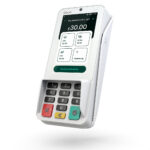
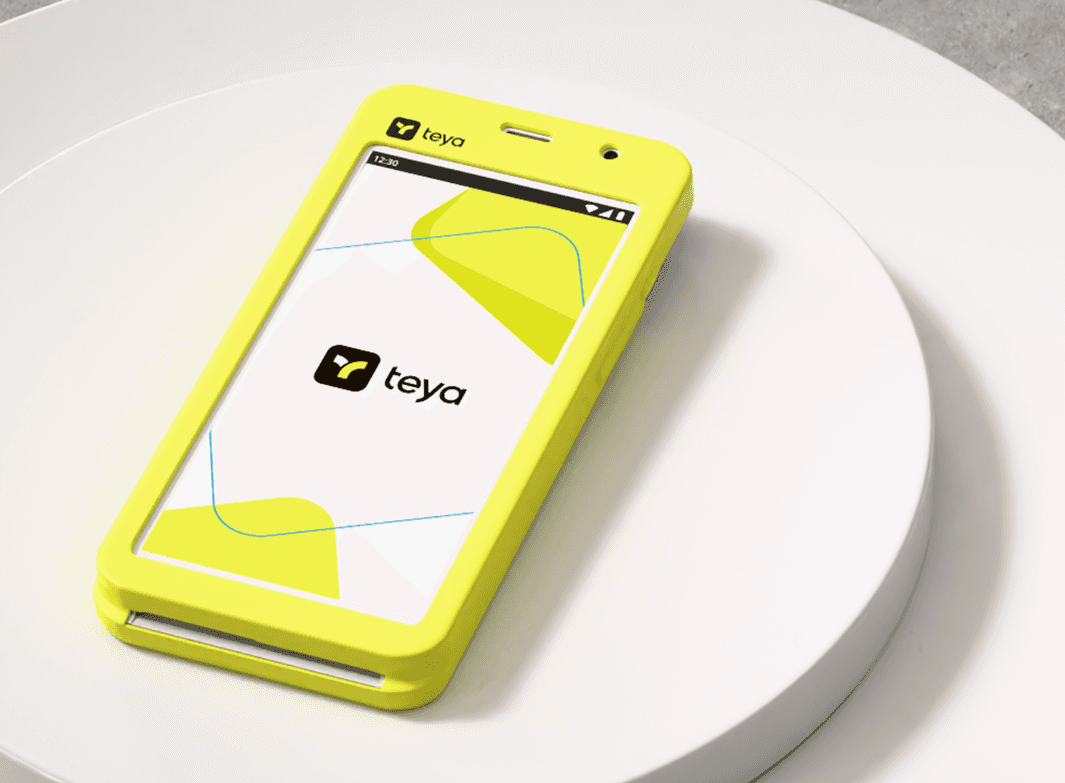
Small businesses across Europe are increasingly turning to Teya for their payment processing needs, and there’s a good reason why. Teya is quickly becoming one of the fastest-growing card machine companies in the EU, specifically designed to serve small, local businesses with comprehensive payment solutions.
When we look at companies like Teya Solutions Ltd, incorporated in February 2022, we can see how rapidly the integrated payment solution landscape is evolving. In fact, businesses using their services can apply in minutes and potentially access between £1,000 to £1.5 million in business funding within 24 hours. Furthermore, their next working day settlements significantly improve cash flow for merchants, which is crucial for small business operations.
Throughout this article, we’ll explore everything you need to know about integrated payment solutions. From card machines and tap-to-pay technology to the comprehensive business banking services that help merchants accept payments efficiently, we’ll cover the essential aspects that make these systems increasingly popular among SMBs.
What are integrated payment solutions?
An integrated payment solution connects payment processing directly with the core business systems you already use. Essentially, it’s the cornerstone that binds your payment processing with vital operational software like point-of-sale systems, accounting platforms, CRM tools, and inventory management.
Definition and core concept
At its core, an integrated payment solution embeds payment processing capabilities into your existing business applications or workflows. This approach, championed by providers like Teya Solutions Ltd, moves businesses away from using separate platforms for different functions, as their systems automate the entire payment journey from transaction to reconciliation. This seamless incorporation allows customers to complete purchases without switching between applications or being redirected to third-party payment providers.
The beauty of this approach lies in its automation: payments are automatically posted at the time of sale, creating real-time updates across your business ecosystem.
How they differ from traditional payment systems
Traditional payment setups operate in isolation from other business tools:
- Traditional systems require manual data entry and reconciliation across disconnected platforms
- They involve redundant tasks and switching between multiple systems
- Manual processes increase the risk of errors and inefficiencies
- Separate systems mean delayed visibility into financial performance
Conversely, integrated systems unify payment processing with business operations, removing silos and creating a direct flow of transaction data. This automation eliminates manual entry, reduces errors, and provides immediate access to transaction insights.
Why businesses are shifting to integrated models
The movement toward integrated payment solutions is driven by compelling benefits. Additionally, businesses face increasing customer expectations more than half of consumers surveyed said they would avoid or walk out of a store with long checkout lines.
Integrated systems help businesses meet these expectations by speeding up checkout processes and enabling line-busting options like self-checkout and mobile payment acceptance. They also dramatically improve operational efficiency by automating accounting processes that were previously time-consuming and error-prone.
Moreover, these systems can be tailored to a business’s specific needs, both present and future. As the digital economy expands with global ecommerce expected to reach USD 83.26 trillion by 2030 businesses using integrated payment systems position themselves for sustainable growth and customer satisfaction.
Key features of integrated payment systems
Modern payment technologies have completely changed how businesses handle transactions. Let’s examine the standout features that make integrated payment solutions like Teya so valuable for merchants.
Card machines and mobile payment options
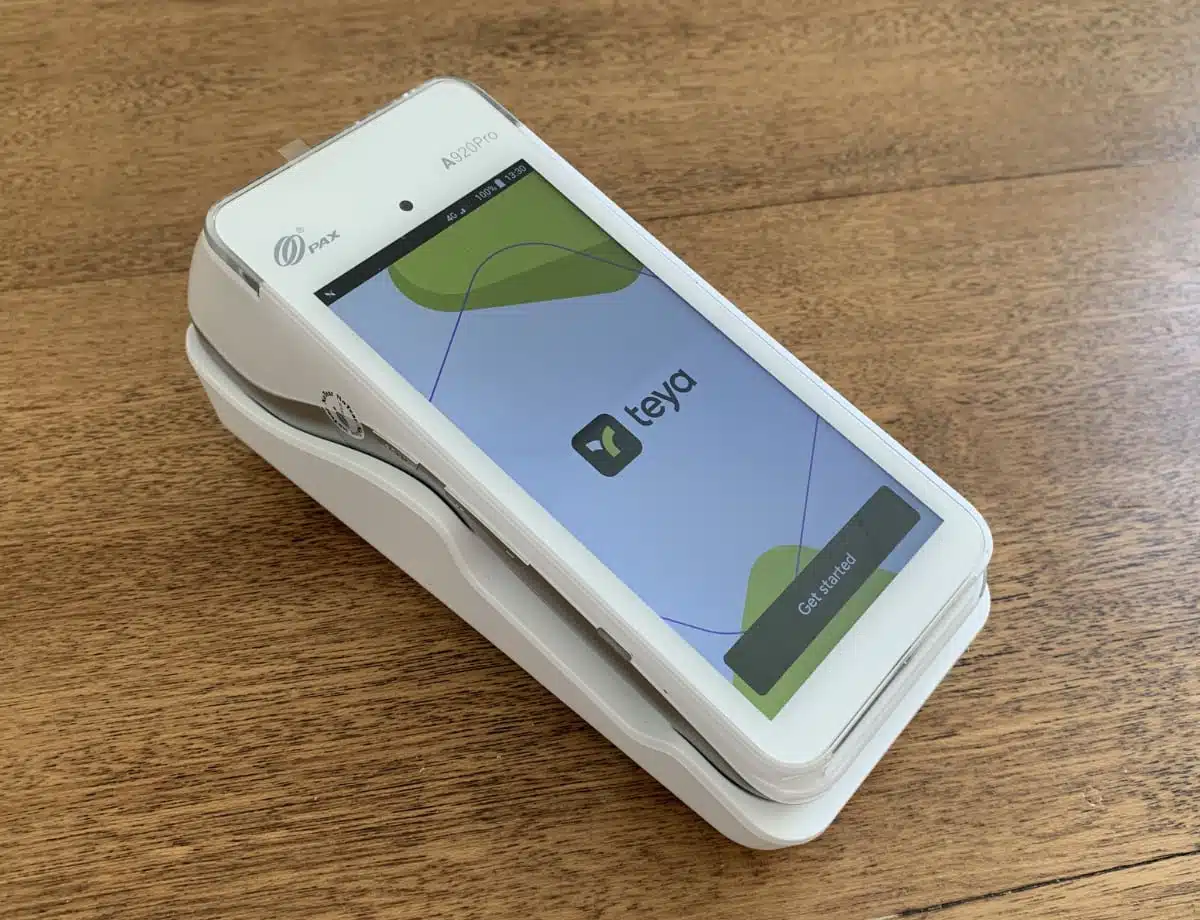
Integrated payment systems now offer versatile hardware options beyond traditional terminals. Mobile card readers connect via WLAN technology to transform smartphones and tablets into portable payment terminals. This mobility enables businesses to accept payments anywhere from farmers’ markets to delivery services. The global market for mobile POS terminals is projected to grow 56% by 2026, highlighting their increasing importance. Teya Solutions Ltd provides both stationary and portable options, ensuring businesses can select hardware that matches their specific operational needs.
Tap-to-pay and contactless support
Contactless technology has become essential with over two-thirds of U.S. credit and debit cards now issued as contactless-enabled. Modern payment solutions support major digital wallets including Apple Pay, Google Pay, and Samsung Pay. Notably, many systems now offer Tap to Pay functionality, allowing merchants to accept contactless payments directly on smartphones without additional hardware. During transactions, customers simply hold their card or mobile device over the contactless symbol for secure, encrypted payment processing.
POS and software integrations
POS integration creates a connected workflow between payment devices and business systems. These connections eliminate manual data entry, consequently reducing errors while speeding up transactions. Through APIs and SDKs, businesses can synchronize payment processing with inventory management, accounting software, and customer relationship tools. This unified approach means transaction data automatically updates throughout the business.
Real-time analytics and reporting
Integrated solutions deliver powerful data capabilities, enabling businesses to monitor transactions as they occur. Real-time dashboards display critical metrics including transaction volumes, failure rates, and revenue impacts all accessible from one interface. This immediate visibility helps identify issues like fraud or chargebacks swiftly. Meanwhile, comprehensive reporting tools provide insights into customer behavior, sales trends, and payment preferences, empowering merchants to make data-driven decisions rather than relying on intuition.
The pricing, fees, and settlements
Navigating the financial aspects of payment processing requires understanding various pricing structures and settlement procedures. Teya and similar providers offer different models that can significantly impact your bottom line.
Blended vs IC++ pricing models
Payment processors typically offer two primary pricing structures. Blended pricing combines interchange fees, scheme fees, and processor markups into a single consolidated rate. This approach offers predictability merchants pay one flat percentage regardless of card type. In contrast, IC++ (Interchange Plus Plus) breaks down transaction costs transparently, showing interchange fees (set by card networks), scheme fees, and the processor’s markup separately. While blended pricing simplifies budgeting for small businesses, IC++ typically results in lower overall costs for merchants processing significant volumes.
Terminal rental and account fees
Beyond transaction costs, merchants should consider additional expenses. Terminal rental fees can range from £50 to £479 for wireless options, with feature-rich models costing up to £850. Many providers also charge monthly service fees (£10-£50) and software integration costs (£20-£100+). These ongoing expenses should factor into your total cost calculation when choosing a payment processor like Teya Solutions Ltd.
Next-day settlement process
The settlement timeline determines how quickly funds reach your account after transactions occur. Next-day settlement, now standard in many systems, transfers funds within one business day after processing. This accelerated timeline improves cash flow management, particularly valuable for small businesses with tight operating margins. Since May 2024, the financial industry standard has moved to T+1 (transaction date plus one day) for most securities transactions.
Minimum settlement thresholds
Every payment processor establishes minimum thresholds the lowest amount that can be automatically transferred to your bank account. These thresholds vary by currency: USD requirements range from $20 for domestic ACH transfers to $10,000 for international wire transfers. For cryptocurrency settlements, minimums apply as well, including 0.01 BTC or 0.2 ETH. Understanding these thresholds helps prevent unexpected delays in accessing your funds.
Business tools and support services
Beyond payment processing itself, Teya offers comprehensive business management tools that simplify operations for merchants. Let’s explore these supporting features that enhance the payment experience.
Teya Business Portal overview
The Teya Business Portal serves as a secure, web-based hub where merchants access vital business information. This platform allows users to track sales, review transactions, view settlement reports, manage team access, and update business details. In essence, the portal provides real-time sales data displaying daily figures, transaction breakdowns, and payment settlements as they occur. What’s more, merchants can access this information from computers, tablets, or smartphones with just an internet connection.
Cash advance and funding options
Teya offers flexible financing through cash advances based on future card machine sales. This service provides immediate capital without traditional loan applications. Benefits include:
- Flexible repayments that adjust based on daily sales volume
- Fast approval without lengthy application processes
- Transparent terms without hidden fees
- Automatic repayment through card machine revenue
Customer support experience
Teya prioritizes customer assistance through multiple channels, providing phone support, email assistance, and live chat via their help center. Besides offering local UK-based support teams, they claim to answer calls within 5 seconds during business hours.
User reviews and feedback
Customer experiences with Teya show mixed results. Certainly many reviews praise staff members by name, specifically mentioning representatives like Faraz, Malak, Akky, and Mohammad Ibrahim for their professionalism. Technical support receives particular appreciation for resolving app-related issues and card machine troubleshooting. However, some users report slower response times for calls and emails.
Conclusion
Integrated payment solutions have transformed how small businesses manage their financial operations. These systems eliminate the traditional barriers between payment processing and business management tools, consequently saving time while reducing errors. Small businesses across Europe clearly benefit from streamlined operations, faster settlements, and unified data management through providers like Teya.
After examining the features and benefits, we can see why merchants increasingly adopt these comprehensive solutions. Card machines with mobile capabilities allow businesses to accept payments anywhere, meeting customer expectations for flexible purchasing options. Contactless technology and tap-to-pay functionality likewise address the growing consumer preference for touchless transactions.
Financial considerations remain crucial when selecting a payment processor. Though blended pricing offers simplicity, IC++ models typically prove more cost-effective for businesses with higher transaction volumes. Next-day settlements significantly improve cash flow a vital advantage for small operations with tight margins.
Beyond payment processing itself, comprehensive business management tools make platforms like Teya particularly valuable. Their business portal provides real-time sales tracking, while funding options offer quick access to capital based on future card sales. Customer support experiences vary, yet many users praise the personal assistance received when technical issues arise.
Small businesses must carefully evaluate their specific needs before selecting an integrated payment solution. The right system can streamline operations, enhance customer experiences, and provide valuable business insights through a single connected platform. Companies that embrace these comprehensive payment ecosystems position themselves for greater efficiency and growth in today’s digital marketplace.