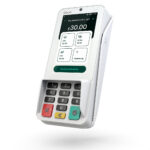

Did you know that 73% of shoppers would walk out of a store without making a purchase if they couldn’t use a card at checkout? Finding the best card machine for small businesses isn’t just about convenience—it’s about survival in today’s increasingly cashless world.
When customers can pay how they prefer, they’re not only more likely to complete their purchases but they also tend to spend significantly more. In fact, consumers spend up to four times more per purchase when using credit cards compared to cash. Additionally, accepting multiple payment methods allows us to cater to a broader customer base, ensuring we don’t turn away potential sales simply because we can’t process their preferred payment method.
Beyond this, mobile card machines have become indispensable for many small businesses, allowing transactions to happen anywhere—not just at a traditional checkout counter. This flexibility, combined with the reliability of digital payments, creates a powerful tool for improving sales and strengthening overall business operations.
In this guide, we’ll explore how the right card machine can transform your small business, increase your average transaction value, and ultimately boost your bottom line.

Why Card Machines Are Essential for Small Businesses
Gone are the days when cash was king. Today, small businesses face a stark reality: adapt to modern payment methods or risk losing customers. The landscape of consumer payments has changed dramatically, making card machines not just helpful tools but essential business equipment and this evolution makes selecting the Best Card Machine For Small Businesses a fundamental decision.
Changing customer expectations
Nearly 89% of consumers now prefer to pay via credit or debit card, yet surprisingly, about 30% of small businesses still don’t accept card payments. This misalignment creates a significant problem—21% of Americans say they would visit a competitor that accepts their preferred payment method if a business doesn’t offer it.
Modern customers expect multiple payment options and frictionless transactions. Moreover, a staggering 13% of U.S. online shoppers have abandoned purchases simply because their preferred payment method wasn’t available. This expectation extends to the physical checkout experience, where 63% of consumers report they’re likely to abandon a purchase if the checkout process has delays or complications.
Payment preferences vary substantially by age group, with younger generations leading the charge toward digital options. Specifically, 43% of Gen Z consumers and 42% of millennials regularly use mobile payments like Apple Pay or Google Pay. For small businesses targeting younger demographics, having the best card machine that supports contactless and mobile payments isn’t optional—it’s imperative.
The shift toward a cashless economy
The data paints a clear picture of our cashless trajectory: 41% of Americans reported not using cash for purchases in a typical week in 2022, up dramatically from 29% in 2018. Meanwhile, digital wallets now account for more than 50% of global e-commerce transaction value.
The COVID-19 pandemic dramatically accelerated this shift, as both customers and employees became reluctant to handle physical currency. Consequently, 67% of retailers now accept no-touch payments, including 58% that accept contactless cards and 56% that take digital wallet payments.
The Federal Reserve’s data confirms this trend, showing that consumers prefer credit cards (31% of total U.S. payments) and debit cards (29%), while cash accounts for just 18% of transactions. Furthermore, mobile wallet usage is exploding globally—from 2.8 billion users in 2020 to a projected 4.8 billion by the end of 2025.
Despite these rapid changes, many small businesses still hesitate to invest in modern card machines, potentially missing significant sales opportunities and falling behind more adaptable competitors.

How Card Machines Directly Boost Sales
Let’s look at the numbers behind card machine success stories. Small businesses investing in the right payment technology aren’t just keeping up with trends—they’re actively growing their bottom line through three key mechanisms.
Faster checkout and reduced wait times
The math is simple: faster transactions equal more sales. Modern contactless payments process 2-3 times faster than traditional chip-and-PIN methods, dramatically reducing queue times. One retail study found businesses implementing contactless systems experienced a 27% reduction in total checkout time during peak periods, allowing them to serve more customers with existing staff.
This speed advantage is particularly valuable for businesses selling small-ticket items. Bakeries, for example, saw a remarkable 32.8% increase in card sales after adopting contactless technology, primarily because they could serve more customers during rush hours.
Encouraging impulse purchases
Card payments fundamentally change buying behavior. Customers using cards are significantly more likely to make spontaneous purchases—52% more likely to make impulse buys with cards versus just 24% with cash.
The psychology behind this is fascinating. Digital payments create what researchers call “spendception”—reduced psychological resistance to spending. When customers don’t physically hand over cash, they experience less “pain of payment,” making impulse decisions easier. Studies confirm card users feel 22% less pain about large purchases compared to cash payments.
Higher average transaction value
Perhaps most notably, card machines directly increase how much customers spend. Research shows contactless users spend 48% more than people using other payment methods. Another study found machines equipped with card readers increased average sales by 42%.
This spending boost happens across all business sizes, though smaller merchants see the greatest benefit. Businesses with annual card sales under €25,000 experienced a 34.9% increase in card sales after accepting contactless payments, compared to 10.3% for large retailers.
The best card machine for small businesses should enable multiple payment options, including contactless and mobile wallets. These features don’t just accommodate preferences—they actively encourage customers to spend more freely.
Operational Benefits Beyond Sales
Beyond driving more sales, card machines deliver crucial behind-the-scenes benefits that strengthen your entire business operation.
Improved cash flow and faster deposits
First and foremost, card machines dramatically improve cash flow management. Businesses can receive funds as soon as the same day, eliminating the traditional 1-2 day waiting period for transactions to clear. Some providers even offer next-day transfers at no extra cost, whereas traditional processing methods typically charge 1-2% per transaction for expedited access.
Reduced errors and theft from cash handling
According to Visa, processing digital payments costs 57% less on average than handling cash. Plus, British businesses lose approximately £190 million yearly to staff theft. Card machines eliminate these risks while reducing human error—no more miscounting change or double-counting receipts.
Integration with POS systems for better tracking
Perhaps most valuable, card machines that integrate with point-of-sale systems create a streamlined operational ecosystem. This integration enables comprehensive reporting capabilities, providing detailed insights into sales trends and inventory levels. Businesses can track transactions in real-time, monitor revenue streams, and optimize inventory.
Certainly, automated payment processing maintains accurate financial records, essential for managing taxes and tracking sales. Hence, when selecting the best card machine for small businesses, looking beyond transaction capabilities to these operational advantages can ultimately determine whether a payment system truly serves your business needs.
Choosing the Best Card Machine for Small Businesses
Finding the perfect card machine requires careful consideration of several critical factors. Making the right choice directly impacts your bottom line and customer satisfaction.
Key features to consider
First, evaluate compatibility with all major payment methods. Your machine should accept EMV chip cards and NFC contactless payments (Apple Pay, Google Pay) since over 95% of cards processed are EMV chip cards. Consider portability needs—some businesses require pocket-sized solutions for on-the-go transactions, whereas others need stationary terminals.
Security is non-negotiable—look for PCI-compliant terminals with end-to-end encryption and tokenization. Additionally, check connectivity options (Wi-Fi, Ethernet, Bluetooth, cellular) based on your business location and transaction volume.
Transaction fees and contracts
Transaction fees generally range from 1.5% to 3.5% depending on your pricing model. Three primary structures exist:
- Flat-rate pricing: Simplest option with predictable fees, ideal for businesses processing under $5,000 monthly
- Interchange-plus: Better for higher volume businesses
- Subscription/tiered pricing: Includes monthly fees but often lower per-transaction rates
Beware of hidden costs beyond transaction fees—monthly minimums, statement fees, and early termination penalties. Indeed, prioritize providers offering transparent pricing without long-term contracts.
Support and ease of use
Ultimately, consider customer support availability—especially if your business operates outside normal hours. The interface should be intuitive enough that anyone can use it with minimal training. Finally, ensure your card machine integrates seamlessly with your existing POS system for comprehensive reporting capabilities.
Conclusion
Card machines have become essential tools for small businesses in today’s increasingly cashless world. Throughout this article, we’ve seen how the right payment technology directly impacts your bottom line. Customers now expect multiple payment options, and failing to provide them can result in lost sales and damaged customer loyalty.
After all, the statistics speak for themselves—consumers spend up to four times more when using cards compared to cash. Additionally, faster checkout times allow you to serve more customers during peak hours while encouraging those valuable impulse purchases. The reduced “pain of payment” with digital transactions means customers feel more comfortable spending larger amounts when they don’t physically hand over cash.
Beyond sales advantages, card machines significantly improve operational efficiency. Same-day fund deposits enhance cash flow management while eliminating risks associated with handling physical currency. Similarly, integration with POS systems provides real-time tracking and valuable business insights that simply weren’t possible before.
When selecting a card machine for your small business, remember to consider compatibility with all major payment methods, fee structures, and ease of use. The best option will depend on your specific business needs, transaction volume, and customer preferences.
Undoubtedly, investing in the right card machine isn’t just about keeping up with technology—it’s about positioning your business for growth in an economy where digital payments now dominate. Small businesses that embrace these payment solutions will find themselves not only meeting customer expectations but also benefiting from increased sales, improved efficiency, and valuable data insights that drive future success.