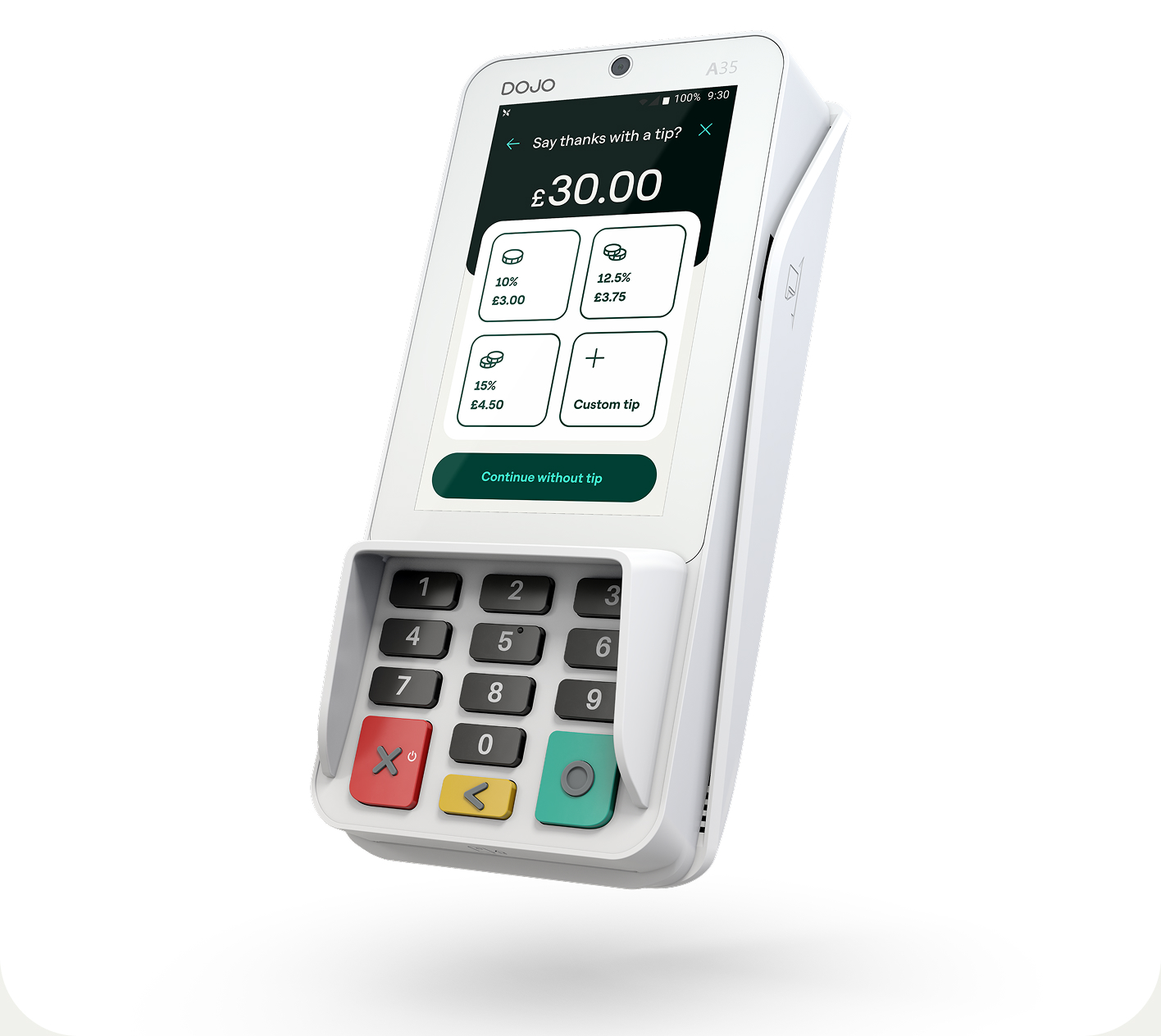
Slow payment processing costs you sales, and in today’s fast-paced retail environment, a dojo card machine can transform how efficiently you serve customers. We’ve all experienced the frustration of waiting for transactions to complete, and your customers feel the same way. Modern payment technology has essentially revolutionized how businesses handle sales, offering seamless contactless payments, instant processing, and reliable connectivity even when Wi-Fi drops.
Dojo provides smart terminals that settle funds the next day from 10am, ensuring your cash flow remains steady. In this guide, we’ll walk you through what modern payment systems offer, the essential features you need, how to choose the right solution for your business, and the steps to get started processing payments efficiently.
What modern payment systems offer your business
Speed and efficiency benefits
Modern payment terminals process transactions in seconds rather than days, addressing one of retail’s most persistent bottlenecks. Real-time payment systems allow funds to transfer and settle almost instantly, operating around the clock without waiting for traditional banking hours. This shift from manual, fragmented processes to electronic systems increases both efficiency and innovation while bringing lower costs, better cash management, and error reduction.
Transaction speed directly impacts your bottom line. Studies show that contactless payments helped 78% of merchants decrease average transaction times. Biometric authentication saves approximately two seconds per transaction, which becomes material when processing hundreds of payments per hour. These seconds add up across your business day, allowing you to serve more customers during peak periods without adding staff.
Additionally, real-time settlement cuts your reliance on credit and lowers long-term interest expenses. You gain immediate validation and posting, freeing your team to focus on strategic tasks rather than chasing outstanding invoices or verifying payment status across separate systems. Reduced overhead and fewer intermediaries significantly lower transaction fees.
Customer experience improvements
Cart abandonment drops from over 70% with multi-step checkouts to under 1% when you offer one-click payment experiences. Your customers expect convenient, modern options that align with how they live. Four in five merchants strongly agree that contactless payments helped reduce lines, while 85% cited increased customer satisfaction.
Real-time payment capabilities reduce the gap between payment initiation and funds received, building reliability and trust with your customer base. Faster refunds, payouts, and service credits reach customers quickly, creating goodwill that translates into higher retention. Offering diverse payment methods meets varied preferences and can lead to higher conversion rates and increased profit margins.
Business growth potential
Better cash flow management unlocks liquidity needed for projects or expansions requiring immediate capital. Real-time access to funds helps you capitalize on growth opportunities or safeguard against unexpected expenses. Many organizations cut their reliance on credit after adopting real-time settlement, yielding lower interest expenses and measurable gains in financial stability.
Payment efficiency serves as a competitive differentiator, especially in crowded markets. Rapid payment confirmation shows your business is aligned with evolving consumer preferences. You establish a reputation for operational excellence that can secure profitable contracts and attract vendors who appreciate prompt settlements.
Essential features of effective card machines
Contactless and mobile wallet support
Selecting the right card machine starts with understanding which payment methods your customers prefer. Contactless payments now account for more than two out of three transactions globally on Mastercard’s network. NFC technology enables devices to transmit payment data within a short range, typically under 4 cm.
Modern terminals accept Apple Pay, Google Pay, and Samsung Pay alongside traditional contactless cards. The embedded EMV chip encrypts account information so data can’t be stolen during transmission. When customers tap to pay, their card or device never leaves their hand, reducing loss risk and eliminating physical contact needs.
Built-in receipt printing
Receipt printing capabilities vary across devices. Standalone credit card machines typically include built-in printers without needing additional hardware. Some portable options offer integrated receipt printers, while others provide printer add-ons as optional accessories rather than standard features.
Portable printers can double as battery banks, keeping your device charged while printing receipts on the go. This dual functionality suits mobile businesses that process payments away from fixed power sources.
Portable vs stationary options
Your business type determines which machine works best. Countertop terminals plug into mains power and your broadband or telephone line, suited for fixed retail environments. Portable machines operate wirelessly using Bluetooth and batteries, functioning within 50m of their charging point.
Mobile terminals include SIM cards for connectivity, ideal for tradespeople, taxi drivers, or pop-up shops working away from consistent Wi-Fi. The Dojo Go provides 3G/4G connectivity through an activated SIM card at no extra cost.
Integration with POS systems
Effective terminals sync seamlessly with point-of-sale systems. Dojo mobile card machines integrate with over 600 EPOS providers. When you process a sale on your EPOS, the transaction total displays automatically on your dojo card machine, eliminating manual entry errors and speeding checkout.
Offline payment capabilities
Internet outages don’t have to halt sales. Offline mode stores transaction data securely within the terminal until connectivity returns. You have 24 hours after accepting your first offline payment to reconnect and sync stored transactions. Contactless payments typically require an internet connection, but chip transactions can process offline.
Choosing the right payment solution for your needs
Understanding your transaction volume
Your annual card turnover determines which payment solutions offer the best value. Businesses processing less than £100k annually face different pricing structures than higher-volume operations, and recognizing this threshold helps you avoid overpaying.
For example, if you’re accepting under £4,000 monthly, flat-rate providers charging per transaction without monthly fees might suit your needs better. Once you exceed certain volumes, subscription models or negotiated rates become more cost-effective than paying fixed percentages on every sale.
Dojo and other popular providers
Dojo structures pricing around two components: your rate (Fix, Flex, or Pro) and your plan (Free or Plus). For businesses processing less than £100k annually, Dojo charges £39.99 per month covering up to £3,999 in monthly card turnover, then 1% flat rate per transaction above that threshold.
Businesses exceeding £100k annually pay a £10 monthly base rate for Dojo’s platform, with bespoke rates for debit and credit cards negotiable based on your specific turnover. Dojo’s devices cost £79 upfront, sitting between premium options and basic hardware from Square, PayPal, or SumUp priced at £19-29.
Contract terms and flexibility
Dojo requires 12-month contracts for businesses under £100k annually. Canceling early incurs fees equivalent to your remaining contract costs. This commitment-free option only opens to merchants accepting over £100,000 yearly.
Square, PayPal, and SumUp offer no-contract flexibility, which startups or very small businesses might prefer. However, Dojo provides 24-hour fund transfers faster than these alternatives.
Pricing models explained
Flat-rate pricing charges identical percentages per transaction regardless of card type. Interchange-plus separates costs transparently, showing the card brand’s fee plus the processor’s markup. Tiered pricing groups transactions into qualified, mid-qualified, and non-qualified categories, each carrying different rates. Subscription models charge monthly fees in exchange for lower per-transaction markups, benefiting high-volume businesses.
Setting up and using your card machine
Initial setup steps
Setting up your dojo card machine takes just a few minutes. Unbox your device and check for all components: the terminal, charging cable, power adapter, and receipt paper roll. Power up by plugging in and fully charging the device. Connect to the internet through Wi-Fi, Ethernet, or 4G LTE depending on your model. Turn on the machine by pressing and holding the power button, then select your language and region. Enter your Clover Merchant ID to register the device. Configure business details, VAT settings, and receipt preferences during this initial registration. Run a test transaction of £1.00 to confirm payments process correctly.
Processing your first payment
Accept chip and PIN by inserting the card and having customers enter their PIN. For contactless payments, customers tap their card or mobile wallet like Apple Pay or Google Pay on the reader. Magnetic stripe cards swipe through the reader if enabled. The amount appears on screen for confirmation before the customer completes authentication.
Managing daily transactions
At the end of each business day, your card machine performs batch settlement, totaling authorized transactions and initiating deposits to your merchant account. Process refunds directly through your dashboard when customers return products. Void transactions before settlement if sales need canceling. Access reporting capabilities for sales summaries and transaction history to assist with accounting.
Conclusion
Modern payment technology transforms how efficiently you serve customers. Fast processing, contactless capabilities, and next-day settlement keep your cash flow healthy while reducing wait times that drive customers away. When choosing a card machine, match features to your transaction volume and business type. Dojo’s straightforward setup process gets you accepting payments within minutes. The right terminal pays for itself through improved customer satisfaction, faster checkouts, and reliable access to funds when you need them most.