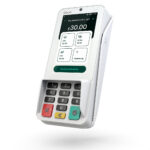

Did you know your dojo card machine and checkout process might be costing you more sales than you realize? Today, the average checkout completion rate sits below 50%, with retailers losing approximately $37.7 billion in potential sales due to long checkout lines. This sobering reality, which directly points to the need for 5 Ways to Speed Up Checkout and Boost Customer Satisfaction, affects businesses of all sizes.
In fact, when customers encounter delays during checkout, about 3 in 4 Americans become less likely to return to that store. Specifically, just 8 minutes of waiting is enough to make them abandon their carts completely. Additionally, 19% of shoppers will immediately go to another retailer when turned away without a clear reason. Your dojo card machine setup plays a crucial role in addressing these challenges.
Throughout this article, we’ll explore five proven strategies to speed up your checkout process and boost customer satisfaction. With research showing that a good Customer Satisfaction Score (CSAT) falls between 70–90% for online merchants, and the industry average for repeat purchases at only 35%, these improvements can ultimately transform your bottom line. After all, over half of customers say a positive experience influences their impression of a brand more than advertising.
What Slows Down Checkout
efore you can improve your checkout experience, you must identify the bottlenecks slowing it down. Checkout friction points, especially when using your dojo card machine, cost businesses billions in lost revenue annually, with approximately 70% of online shoppers abandoning their purchases before completion. Let’s examine what’s really happening when customers walk away before finalizing their transaction.
Common friction points in the buying journey
The path from product selection to purchase confirmation is fraught with potential stumbling blocks. These friction points act as silent conversion killers, gradually eroding customer patience until they abandon their purchase altogether:
Hidden costs trigger immediate abandonment when customers discover unexpected shipping fees, taxes, or service charges at the last moment. This transparency issue ranks as the top abandonment reason, with 39% of shoppers citing surprise costs as their primary reason for leaving.
Limited payment options can derail even the smoothest checkout experience. If your dojo card machine doesn’t support a customer’s preferred payment method whether it’s digital wallets, buy now pay later options, or saved credentials you might lose the sale completely. Approximately 10% of shoppers abandon carts due to insufficient payment methods.
Why Checkout Speed Matters for Customer Satisfaction
The checkout process represents much more than a simple transaction point it’s a critical moment where customers form lasting impressions about your business. Speed matters enormously at this stage, directly influencing whether shoppers become loyal advocates or frustrated one-time visitors. Let’s examine why optimizing your dojo card machine and checkout flow is fundamental to customer satisfaction.
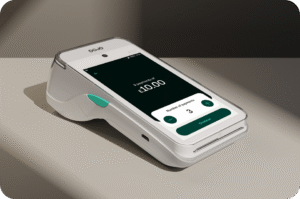
5 Ways to Speed Up Checkout and Boost Satisfaction
Looking to increase sales and reduce cart abandonment? The solution may be right at your fingertips with your dojo card machine setup and checkout process. Let’s explore five practical ways to accelerate your checkout experience and create happier, loyal customers.
1. Simplify the checkout form
The average checkout flow contains an overwhelming 11.3 form fields and spans over five steps. This complexity directly contributes to the 18% of shoppers who abandon their purchases because the process is too complicated.
Here’s how to streamline your forms for maximum efficiency:
Reduce field count to essentials only. Request just 6-8 fields maximum to minimize friction. Every unnecessary field creates another opportunity for customers to hesitate or abandon their purchase. One effective approach is to condense first and last name fields into a single full name field, which is notably easier to complete on mobile devices.
Hide optional fields behind toggles. Collapse “Address Line 2” and “Company” fields behind an “Add more details” link. Research consistently shows users find multiple address fields confusing, often pausing to determine what information belongs where.
Remember, it’s not the number of steps but what the customer has to do at each step that impacts abandonment rates. By focusing on minimizing visible form fields, you’ll create a checkout experience that feels effortless rather than overwhelming.
2. Offer multiple payment options
Limiting payment methods directly impacts your bottom line. Recent experiments show that displaying just one payment method that’s not geographically relevant can reduce conversion rates by up to 15%. Additionally, 55% of merchants believe customers abandon carts because their preferred payment option isn’t offered.
To optimize your dojo card machine setup for maximum payment flexibility:
Diversify payment acceptance. Provide a variety of options including credit/debit cards, digital wallets (PayPal, Apple Pay, Google Pay), and buy now pay later services like Klarna and Afterpay. This approach accommodates different customer preferences and limitations, making it easier for shoppers to complete purchases.
By expanding your dojo card machine’s payment capabilities, you’re directly addressing customer preferences and removing a common obstacle to purchase completion.
3. Use real-time communication and updates
Customer expectations around transparency have shifted dramatically. Approximately 85% of consumers say they’ll buy from a retailer again if they can track their purchases throughout the delivery process. Real-time communication eliminates uncertainty and builds trust.
To implement effective real-time communication:
Provide instant order confirmations. Send immediate post-purchase notifications summarizing order details, including subtotal, shipping costs, taxes, item count, and estimated delivery timeframes. This confirmation reassures customers their transaction was successful.
4. Automate fraud and order reviews
Manual fraud detection creates unnecessary friction in the checkout process. Without automation, your customer service team could spend up to 20 hours weekly on tedious manual reviews. This inefficiency hurts both operations and customer experience.
Implement these automation strategies with your dojo card machine system:
Deploy AI-based fraud detection. Use machine learning technology to make real-time decisions for all transactions reviewed, creating a frictionless consumer journey. This approach not only saves operational costs but preserves revenue by catching fraud before it happens.
Apply contextual risk assessment. Utilize systems that dynamically adjust checkout interventions based on the likelihood of different types of risk. Selectively applying these interventions can reduce fraud rates by 30% on average with minimal impact on conversion.
5. Personalize the checkout experience
Generic checkout experiences are increasingly inadequate. Personalization creates meaningful connections with customers while streamlining their journey to purchase completion.
Enhance your dojo card machine checkout with these personalization strategies:
Dynamically adjust payment displays. Use AI to recognize different customer preferences for instance, showing Affirm for most large purchases but displaying travel reward cards for flight purchases. This contextual awareness directly translates to business results, with personalized payment displays increasing revenue by 12% on average.
Personalization reduces checkout friction while enhancing the overall customer experience, directly increasing conversion rates and building loyalty that extends beyond the initial purchase.
Avoiding Common Mistakes That Hurt Checkout Experience
Even optimized dojo card machine setups can fail when businesses make these critical checkout mistakes. Avoiding these pitfalls ensures your checkout improvements deliver maximum impact.
Unclear return or refund policies
Hidden or confusing refund policies drive customers away. Indeed, more than 60% of consumers review a return policy before making a purchase. Beyond convenience, transparent refund policies are legally required in many jurisdictions. When customers aren’t properly informed of their rights, they’re automatically granted extended rights in many countries. Surprisingly, 92% of shoppers say they will buy again if the returns process was easy.
Lack of mobile optimization
Mobile commerce has become dominant across industries, with global mobile transactions worth USD 2.20 trillion. Unfortunately, 20% of ecommerce websites have at least one basic mobile error. Mobile screens demand different treatment prioritize information shown during payment, keep CTAs clear and prominent, minimize required fields, and enable autocomplete. Remember, mobile users are five times more likely to abandon their tasks if the checkout isn’t optimized for smaller screens.
Conclusion
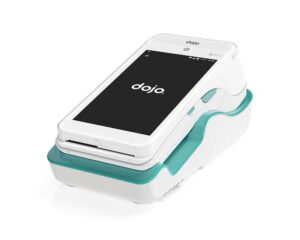
Optimizing your checkout process stands as one of the most effective ways to boost both sales and customer loyalty. Throughout this article, we’ve seen how even small delays during checkout can significantly damage customer trust and ultimately hurt your bottom line. Fast, efficient transactions using your dojo card machine directly translate to higher conversion rates, increased customer satisfaction, and more repeat business.
Each of the five strategies we’ve explored offers practical ways to enhance your checkout experience. Simplifying forms, offering diverse payment options, implementing real-time communication, automating fraud detection, and personalizing the checkout experience work together to create a seamless process that customers appreciate. Additionally, measuring improvements through metrics like CSAT, NPS, checkout conversion rate, and repeat purchase rate allows you to quantify the impact of your efforts.
Remember that customers who experience a fast, frictionless checkout process are substantially more likely to return. Conversely, those who encounter delays or complications might never give your business a second chance, regardless of your product quality or competitive pricing.
We encourage you to evaluate your current checkout system honestly. Look for unnecessary friction points, confusing layouts, limited payment options, or other issues that might frustrate customers. Then, strategically implement the improvements discussed here. The results will likely surprise you faster checkouts not only speed up transactions but fundamentally transform how customers view your entire business.